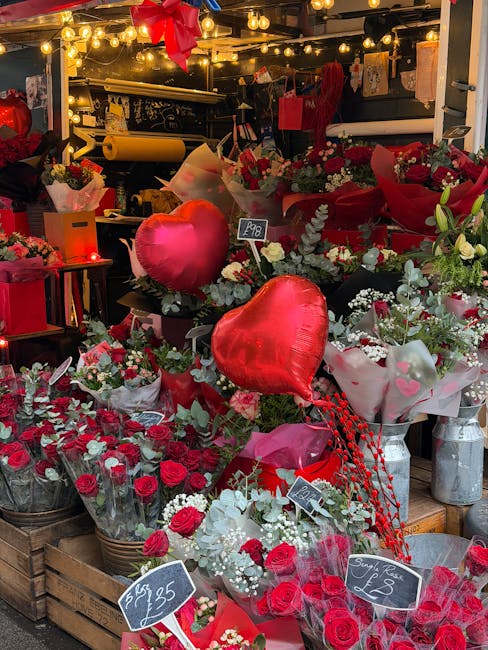
Hackney Council rules for street flower stalls and permits
Posted on 05/10/2026
Hackney Council Rules for Street Flower Stalls and Permits: A Practical Guide for Traders
If you are planning to sell flowers on a street corner, by a market pitch, or outside a busy parade in Hackney, the rules can feel a bit fiddly at first. The basics are simple enough: you usually need permission to trade from public land, and in some cases you may also need related approvals for display space, obstruction, waste, or pavement use. This guide explains Hackney Council rules for street flower stalls and permits in plain English, so you can work out what matters, what to check, and what to avoid before setting up.
Let's face it, a flower stall looks effortless when it is done well. Buckets are tidy, the colours pop, and the whole thing feels part of the street. But behind that neat first impression is a mix of licensing, location rules, safety, and common-sense trading practice. If you want to avoid awkward conversations, fines, or a stall that has to move on a cold Tuesday morning, it pays to understand the process properly.
Below you will find a step-by-step explanation, a checklist, practical examples, and a comparison of the main setup options. There is no fluff here. Just the stuff that helps you make a sensible decision and keep trading.
Table of Contents
- Why Hackney Council rules for street flower stalls and permits Matter
- How Hackney Council rules for street flower stalls and permits Works
- Key Benefits and Practical Advantages
- Who This Is For and When It Makes Sense
- Step-by-Step Guidance
- Expert Tips for Better Results
- Common Mistakes to Avoid
- Tools, Resources and Recommendations
- Law, Compliance, Standards, or Best Practice
- Options, Methods, or Comparison Table
- Case Study or Real-World Example
- Practical Checklist
- Conclusion
- Frequently Asked Questions
Why Hackney Council rules for street flower stalls and permits Matter
Street trading rules are not just paperwork. They decide where you can stand, how long you can trade, what you can place on the pavement, and whether your flower display is treated as a safe, authorised business or an obstruction. In a borough like Hackney, where footfall can be strong and pavements can already feel busy, those details matter more than people expect.
For flower sellers, the issue is even more practical. Flowers are perishable, weather-sensitive, and often sold from temporary displays or compact stands. A sunny Saturday can be great. A windy Thursday? Not so great. If your set-up is not permitted or clearly understood, you can find yourself dealing with a quick-moving enforcement issue instead of actually selling blooms. Nobody wants that when the roses are already wilting a little in the bucket.
There is also a wider reason. Local rules help protect public access, pedestrian safety, and the appearance of the street. That sounds dry, but in real life it means your stall needs to work with the space around it, not fight it. A well-run flower stall can add colour and life to a road. A badly placed one can block a bus stop, crowd a narrow pavement, or create avoidable complaints from nearby shops.
Practical takeaway: if you want to trade flowers in Hackney, think of permits as part of the business model, not an afterthought. The right permission can save you time, stress, and avoidable disruption later.
This matters for established florists too. Even if you already run a shop, a separate street stall or seasonal pitch may bring different rules. That is where confusion often starts, especially during busy periods like Valentine's Day, Mother's Day, or the run-up to summer weddings. In other words: one business, but not always one rulebook.
How Hackney Council rules for street flower stalls and permits Works
At a high level, Hackney Council street trading controls are about whether you have permission to sell goods from a public place. The council may ask where you plan to trade, what you will sell, how large your stall will be, and how you will manage safety and cleanliness. A flower stall is often judged on the same basic principles as other street trading activity, but the details can differ depending on the pitch and the exact trading arrangement.
You will usually need to think about a few separate questions:
- Is the location on public highway land or another controlled space?
- Is street trading allowed there at all?
- Do you need a specific permit, licence, or consent?
- Will your stall obstruct pedestrians, doorways, crossings, or visibility lines?
- Do you need permission for any tables, signs, planters, umbrellas, or display stands?
That is the bit many first-time traders underestimate. The stall is only one part of the setup. The buckets, the signage, the delivery crates, the wrapping paper, and even the queue of customers can all affect whether the arrangement is acceptable. If you have ever stood on a crowded pavement near Hackney Central or around a busy local parade, you will know exactly why.
In practical terms, the council may consider:
- the width of the pavement and how much space is left for passers-by;
- the time of day and day of week you want to trade;
- whether the trading point is near a school, junction, crossing, or transport stop;
- the appearance and stability of the stall;
- any health and safety concerns, including trip hazards and water spillage.
Sometimes a trader imagines there is one universal "flower permit", but in reality the permission may depend on the exact setup. A permanent kiosk, a temporary seasonal stand, and a mobile bucket display can all be treated differently. So the smart move is to describe your plan clearly and honestly from the start. It avoids a lot of back-and-forth.
For traders who already serve the local area with delivery orders, it can help to treat the street stall as a separate channel. If the pitch brings new footfall, it should still work alongside your wider business offer, whether that is a local shop, delivery service, or seasonal flower stand. If you are also building online sales, pages like flower delivery in Hackney E5 and your local florist presence can support the broader customer journey while the stall handles walk-up trade.
Key Benefits and Practical Advantages
Getting the permit side right gives you more than legal comfort. It makes the whole business easier to run. That sounds a bit obvious, but it is one of those things people only appreciate after their first stressful week of trading.
Here are the main advantages:
- More certainty: you know where you can trade and what conditions apply.
- Lower enforcement risk: you reduce the chance of being told to move on unexpectedly.
- Better customer confidence: a tidy, authorised stall looks more professional.
- Cleaner operations: permission often pushes you to plan waste, storage, and access properly.
- Better location decisions: once you know the rules, you can choose a pitch that actually works for sales.
There is a commercial upside too. The best flower stalls are not just pretty; they are easy to approach, easy to browse, and easy to serve. If customers can stop for a moment without dodging bikes, bags, and buses, you will generally do better. Not always, but usually. Street retail lives or dies on convenience.
Permits can also support seasonal flexibility. For example, if you want to trade heavily during spring weddings, Easter, or late summer events, having the right permission in place means you can focus on stock mix and presentation rather than last-minute compliance scrambles. And believe me, there are enough moving parts already. Buckets, pricing cards, ribbons, cash handling, card readers, water supply. The list goes on.
One practical advantage that is easy to miss: a properly authorised pitch can make supplier planning easier. When you know you can trade on specific days, you can arrange purchasing, conditioning, and display stock more accurately. That reduces waste, which matters with fresh flowers because waste eats margin fast.
Who This Is For and When It Makes Sense
This guide is mainly for people who want to sell flowers from a street-based setup in Hackney. That includes a few different types of trader:
- independent florists testing a new pitch or pop-up location;
- market-style stall holders selling bouquets and bunches;
- seasonal traders during key dates such as Valentine's Day or Mother's Day;
- small businesses expanding beyond delivery-only sales;
- event or wedding florists trialling local roadside visibility;
- existing shop owners wanting an external display or auxiliary stand.
It makes sense if you want direct visibility and impulse sales. Flowers work well in that setting because they are visually appealing, time-sensitive, and often bought on the spot. A passer-by notices colour. A good bouquet catches the eye. And if the stall smells fresh in the morning air, even better. People buy with their senses, not just their heads.
It may not make sense if your setup is too large, too complex, or too dependent on long dwell times. For example, if you need multiple tables, a generator, refrigerated storage, or heavy vehicle access, a pavement pitch may be the wrong model entirely. In those cases, a shopfront, market stall, or pre-order delivery operation may be more suitable.
Ask yourself a simple question: is the street stall there to support the business, or is the business built around the street stall? That answer shapes what permissions you need and how much effort you should put into the application.
If you are still shaping your offer, it can help to review nearby trading and delivery options. For example, some traders combine a visible street presence with same-day or next-day service through pages such as same-day flower delivery in Hackney and next-day flower delivery in Hackney. That kind of mixed model can make the business more resilient. A wet Wednesday is less painful when the flowers still move online.
Step-by-Step Guidance
Here is a practical way to approach the process without overcomplicating it.
1. Define the exact trading setup
Start with specifics. Not "a flower stall somewhere in Hackney", but the exact road, frontage, and operating hours. Note whether the stall is fixed, temporary, mobile, or seasonal. The more precise you are, the easier it is to work out what type of permission is needed.
2. Check whether the location is suitable
Some spots look ideal from a trader's point of view but are poor in practice. If pedestrians already squeeze past parked bikes, bins, delivery trolleys, and sandwich board signs, your stall may simply add to the congestion. A nice corner on paper can become a nuisance in real life.
3. Prepare your stall description
Be ready to explain what the stall looks like, how much space it takes, what you will display, how you will secure stock, and how you will manage waste. Councils generally prefer clear, realistic applications over vague promises. A sketch or simple layout can help, even if the format is basic.
4. Think about pedestrian access first
This is one of the biggest practical issues. A flower stall should not force people into the road or block access to doors, crossings, ramps, or bus stops. If your setup needs a generous footprint, you may need to scale it down. Harsh, but true.
5. Build in tidy operating habits
Flowers bring water, stem trimmings, paper offcuts, broken ties, and sometimes muddy footprints. Plan how you will keep the pitch clean. A small bin, quick sweeping routine, and sensible storage boxes can make a big difference. It also helps during enforcement checks, because a tidy site looks controlled and responsible.
6. Sort out business details alongside the permit
Trading permission is only one side of the setup. You may also need to think about insurance, payment systems, supplier arrangements, opening hours, and complaint handling. If you plan to expand beyond a stall into a local flower business more broadly, pages such as flower shops in Hackney and best flower delivery options can help you present a stronger overall offer.
7. Review and keep records
Keep copies of your permission, conditions, drawings, and any correspondence. People forget this all the time. Then the weather changes, the display shifts, and nobody can remember who approved what. Paperwork might not be glamorous, but it saves headaches later.
Expert Tips for Better Results
After seeing how street trading setups usually succeed or stumble, a few patterns stand out.
- Keep the display compact and readable. Customers should understand what you sell in a glance.
- Use stable containers. Wind, passing traffic, and footfall all matter more than people think.
- Price clearly. A neat price card reduces awkward questions and speeds up purchases.
- Match stock to the street. High-traffic locations often favour ready-to-buy bunches over complex bespoke orders.
- Have a wet-weather plan. A foldaway cover or backup positioning strategy can save a day.
- Keep access routes obvious. If customers have to guess how to approach the stall, you lose sales.
One small but useful tip: think like a commuter. If someone is walking briskly with a coffee at 8:15 on a grey weekday, what do they notice first? The bouquet colours, yes. But also whether they can stop safely without feeling in the way. That tiny detail can shape whether the stall converts interest into a sale.
Another practical point is stock choice. On a street stall, simpler bouquets and well-finished bunches often perform better than highly intricate arrangements. You want items that are attractive, affordable, and easy to carry home. If you also sell online, you can direct customers toward more curated ranges through products like best sellers or event-led items such as flowers for any occasion. That gives people an easy next step.
And yes, sometimes the weather will be rude. Hackney can look bright and cheerful at lunchtime and then turn blustery two hours later. If you have traded outdoors before, you know the story.
Common Mistakes to Avoid
Most problems with street flower stalls are not dramatic. They are ordinary mistakes that build up.
- Assuming a stall is allowed because it is "just flowers". Flowers do not exempt you from trading rules.
- Using too much pavement space. Displays creep wider than expected, especially once customers gather.
- Forgetting about waste and water. Wet ground, loose leaves, and packaging scraps create problems quickly.
- Choosing a pitch without checking footfall patterns. Busy is good, but only if people can actually reach you.
- Ignoring nearby businesses. Complaints often come from practical friction, not bad intent.
- Not planning for peak days. Special occasions can be profitable, but they also bring crowding and higher expectations.
Another mistake is being too optimistic about display size. Bigger is not always better. A smaller, neater stand with strong product selection often works better than a sprawling arrangement that looks impressive for five minutes and then becomes awkward. If a customer has to sidestep your buckets to get to the bus stop, the stall has already lost goodwill. That's just how it goes.
One more thing: do not treat permit wording casually. If a permission has conditions on hours, space, or stall type, follow them. Councils tend to look more favourably on traders who are straightforward and consistent. Not flashy. Just solid.
Tools, Resources and Recommendations
You do not need expensive equipment to run a sensible flower stall, but a few tools make life easier and help with compliance.
- Measuring tape: for checking stall footprint and clearance.
- Simple site sketch: useful when explaining your setup.
- Weather cover: for protecting flowers and keeping the display tidy.
- Weighted stands or secure containers: especially helpful on breezy days.
- Waste bag and small bin: keeps the pitch clean.
- Visible pricing cards: makes trading smoother and faster.
- Card payment option: many customers rarely carry much cash now.
On the business side, it helps to keep your trading documents together in one folder, physical or digital. That includes permission details, insurance documents, supplier invoices, and any notes on operating conditions. If you ever need to clarify what was agreed, you will be glad you did.
If your trade is part of a broader floristry business, it may also help to review customer-facing pages that explain your service quality, such as service guarantees, delivery information, and flower care guidance. These do not replace permit compliance, of course, but they strengthen trust. And trust matters when you are standing in public with a table full of flowers.
For traders handling multiple orders or business accounts, a clear contact route matters too. Keeping an easy line open through contact information and a simple business profile such as about us can make your operation feel more established to customers and partners.
Law, Compliance, Standards, or Best Practice
Because this is a public trading issue, the safest approach is to treat compliance seriously from the start. In the UK, local authorities generally control street trading in ways that protect pedestrian movement, public safety, and the use of public land. Hackney is no exception in principle, even though the practical conditions may vary by location.
Best practice usually includes the following:
- trade only where you have permission;
- follow all spacing, timing, and display conditions exactly;
- keep the stall stable, tidy, and safe at all times;
- avoid blocking access, sightlines, or emergency routes;
- remove waste and packaging promptly;
- make sure your customer activity does not spill into unsafe congestion.
If you are unsure whether your setup counts as street trading, take a cautious approach and describe the plan in detail before you begin. That is better than assuming the answer and then having to unpick things later. In the real world, enforcement issues often come down to preventable details: the stall was 30 cm too wide, the sign drifted into the footway, or the display changed shape after opening.
Standards matter too, even when they are not written in big bold letters. A neat stall, accurate pricing, respectful customer handling, and good housekeeping are all part of trading responsibly. They reduce complaints and help the business look professional. To be fair, customers notice that more than most traders realise.
If your wider business involves weddings, funerals, or other sensitive occasions, the same discipline helps there too. Pages such as wedding flowers in Hackney and funeral flowers in Hackney show how a strong floristry business can serve different needs while keeping presentation and reliability consistent.
Options, Methods, or Comparison Table
There is more than one way to sell flowers in Hackney, and the right choice depends on your stock, budget, and how much public-facing trade you want. Here is a simple comparison.
| Option | Best for | Strengths | Limitations |
|---|---|---|---|
| Street flower stall | High visibility, impulse sales, seasonal trade | Good footfall exposure, simple browsing, strong local presence | Needs permission, weather-sensitive, space constraints |
| Shopfront florist | Regular customers, fuller product range, longer dwell time | More stable trading environment, stronger display control | Higher overheads, less spontaneous street visibility |
| Delivery-led model | Customers who want convenience or gifting | Flexible, scalable, less dependent on pavement space | Less walk-in exposure, depends on logistics |
| Pop-up or seasonal pitch | Events, peaks, limited-time trading | Useful for testing demand, lower long-term commitment | Shorter trading window, still needs careful permissions |
For many traders, the smartest route is mixed. A small street presence brings attention, while delivery and shop sales bring depth. That mix can be especially useful if you already sell through pages like cheap flowers in Hackney or luxury flowers, since you can serve very different customer budgets without changing your whole setup.
Honestly, the "best" method is the one you can operate cleanly week after week. Flashy is nice. Reliable is better.
Case Study or Real-World Example
Picture a small florist who wants to test a flower stall near a busy Hackney road on Fridays and Saturdays. They already take local delivery orders, but the owner notices that many people pass the shop, glance at the window, and keep walking. The idea is to place a compact outdoor display with bunches, seasonal stems, and a small sign offering quick take-home bouquets.
At first, the trader assumes the plan is straightforward. It is only a table, after all. But once they measure the space properly, they realise the pavement would get tight at peak time, especially when a queue forms. So they scale the display down, choose narrower buckets, and simplify the layout. They also prepare a clean sketch showing the exact footprint and keep pricing obvious.
What changed? Not the flowers. The arrangement around them. The trader made the set-up easier to understand, safer to walk past, and more convincing to the council. In real life, that kind of adjustment often matters more than the original idea. The stall still looks attractive, just not overblown.
By combining the stall with local delivery, the business also captures customers who want convenience after seeing the flowers in person. A pedestrian buys a mixed bouquet on the spot. Another person sees the display on the way home and orders later online. That second sale is easy to miss if you only think about the pavement pitch itself.
This is where a local flower business can feel nicely joined up. A stall, an online order path, and clear service pages all support each other. Simple. Not easy, exactly. But simple.
Practical Checklist
Use this before you begin trading.
- Have I identified the exact street location and operating days?
- Do I know whether the space is public land or another controlled area?
- Have I checked whether the stall needs a permit or other permission?
- Can pedestrians pass safely without squeezing or stepping into the road?
- Is my display size realistic for the pitch?
- Have I planned for wind, rain, and spillages?
- Do I have a bin or waste plan?
- Are prices visible and easy to read?
- Have I kept copies of all permissions and correspondence?
- Am I ready to explain the setup clearly if asked?
If you can tick most of those boxes, you are already in a much stronger position than many first-time traders. A calm, tidy setup is half the battle. The other half is staying consistent once the stall is live.
Get a free quote today and see how much you can save.
Conclusion
The main thing to remember is this: Hackney Council rules for street flower stalls and permits are not there to make life awkward. They exist to manage space, safety, and fair use of the street. If you approach them with a clear plan, a sensible display, and realistic expectations, the process becomes much easier to handle.
For flower traders, that usually means keeping things compact, tidy, and honest. Know your pitch. Know your permissions. Keep your setup easy for people to pass, easy for customers to understand, and easy for you to run day after day. That is the real win.
And if the first version of your stall is not perfect, that is fine. Very normal, actually. Adjust it, improve it, and keep moving. The best local trading setups usually start with a simple idea and a lot of practical care.
There is something lovely about a good street flower stall. On a grey London morning, it can brighten the whole road.
Frequently Asked Questions
Do I need permission to sell flowers from the pavement in Hackney?
In most cases, yes, you should expect to need some form of permission if you are selling from a public pavement or highway area. The exact requirement depends on the location, the type of stall, and whether the space is classed as street trading land. It is safer to check before you start.
Are flower stalls treated differently from other street traders?
Sometimes the practical issues are a bit different because flowers are fresh, need water, and are usually displayed in open containers. But the core rules are usually about public space, safety, and trading control. So no, flowers are not a special exemption. Lovely, but not exempt.
How far in advance should I apply for a permit?
As early as you can. Timelines can vary, and if you are planning a seasonal launch or a key trading period, leaving it late is risky. Build in extra time for questions, site checks, and any changes to your proposed setup.
Can I use a small table and buckets without a full stall?
Possibly, but the fact that it is small does not automatically mean it is allowed. Even a compact setup can count as street trading if it uses public space to sell goods. The size may help with approval, but it does not remove the need to check the rules.
What information will I usually need to provide?
You will normally need to explain where you want to trade, what the stall looks like, what you will sell, how much space it takes, and how you will keep the area safe and tidy. Clear, practical information usually helps more than fancy wording.
Can I trade near a shop frontage or another business?
Sometimes yes, but it depends on the exact location and whether the stall interferes with access or the operation of nearby premises. Nearby businesses can be supportive, but they can also object if the stall causes obstruction or congestion.
Do I need a different permission for seasonal trading like Valentine's Day?
Seasonal trading often still needs proper permission. In fact, busy seasonal periods may attract more scrutiny because the streets are fuller and the risk of obstruction is higher. If your plan is to trade only for a short period, make that clear in advance.
What are the biggest compliance risks for a flower stall?
The biggest risks are usually obstruction, unsafe placement, poor housekeeping, and trading without the right permission. Wet floors, loose packaging, and oversized displays can also create problems quickly. Small issues add up fast on a busy street.
Can I combine a street stall with delivery sales?
Yes, and in many cases that is a sensible business model. A street stall can attract attention while delivery handles repeat orders and bigger baskets of custom work. The two can support each other nicely.
What if I am only testing the idea for a few days?
Even a short trial may still need permission. Temporary trading is often where people get caught out because they assume "just a few days" means no formalities. It usually does not. Better to treat a trial seriously from the outset.
How can I make my stall look professional without overspending?
Keep it neat, simple, and consistent. Use clear price cards, stable buckets, good presentation, and a clean layout. A tidy small stall often looks more trustworthy than a cluttered expensive one. Truth be told, customers notice organisation very quickly.
What should I do if I am unsure whether my pitch is allowed?
Pause and get clarity before trading. Measure the space, describe the setup accurately, and review the likely access issues. If anything feels borderline, assume it needs checking. That one cautious step can save you a lot of trouble later.